Water Availability
Check the water availability in your area:
Statewise Graph Of GroundWater
Water Saving Techniques
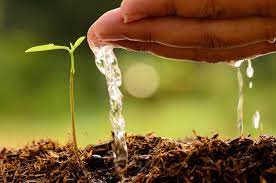
Water Conservation Tips
- Turn off the faucet while brushing your teeth
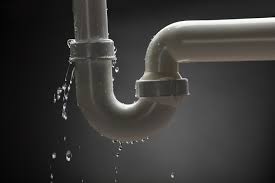
- Fix leaks promptly
- Use a broom instead of a hose to clean outdoor areas
- Water your lawn and plants in the early morning or late evening to reduce evaporation
- Maximize the use of natural vegetation and establish smaller lawns. For portions of your lot where a lawn and landscaping are desired, ask your local nursery for tips about plants and grasses with low water demand (such as creeping fescue)....Consider planting more trees, shrubs, ground covers, and less grass. Shrubs and ground covers provide greenery for much of the year and usually demand less water. Use native plants in flower beds. Native plants have adapted to rainfall conditions in New England and often provide good wildlife habitat. Cluster plants that require extra care together to minimize time and save water.
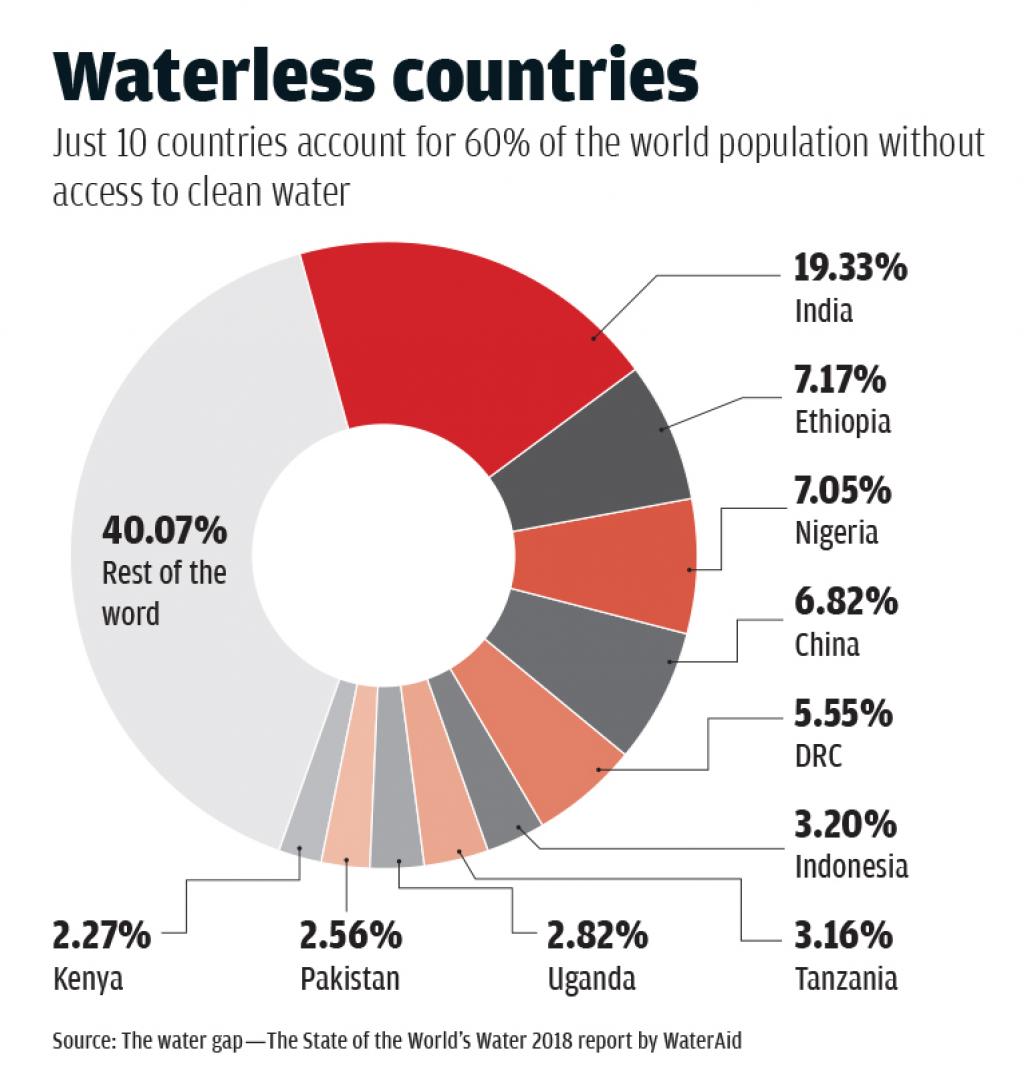
According To Unicef Water Less Country


Water crisis
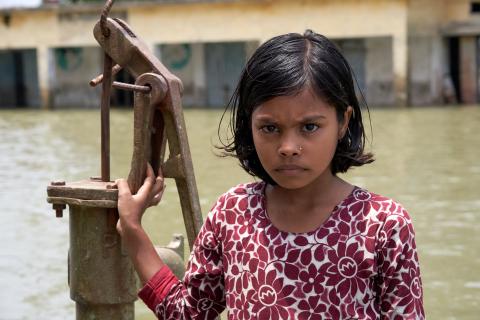
Water and the climate crisis: 10 things you should know
The world needs to get water smart. Everyone has a role to play, and we cannot afford to wait. Climate change is disrupting weather patterns, leading to extreme weather events, unpredictable water availability, exacerbating water scarcity and contaminating water supplies. Such impacts can drastically affect the quantity and quality of water that children need to survive.
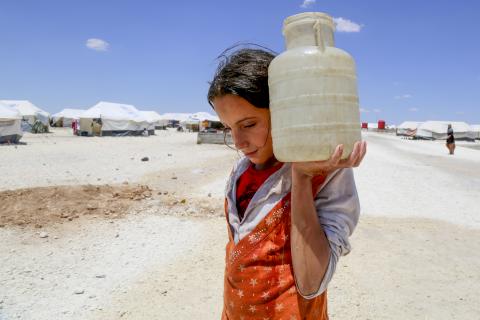
Attacks on water and sanitation infrastructure
This includes both intentional attacks, such as targeting pipelines or pouring concrete into wells, and inadvertent attacks, where reckless bombardment with no attempt to avoid critical civilian infrastructure results in damaged or destroyed water and sanitation systems.
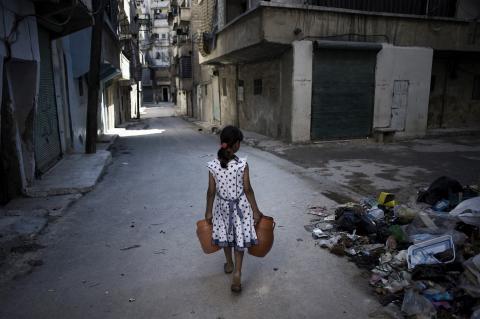
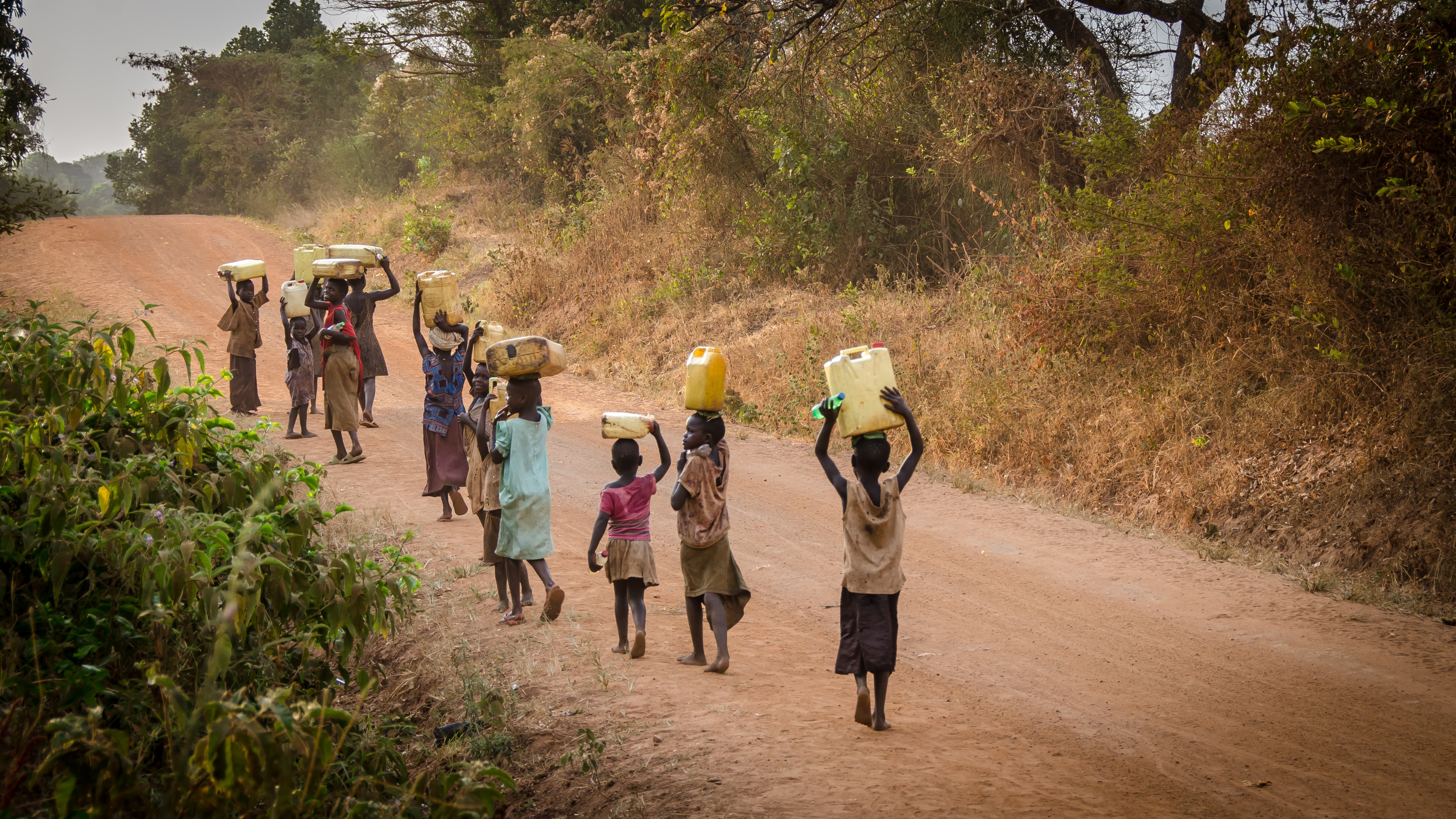
Rural populations are the most disadvantaged.
8 out of 10 people who lack even basic drinking water live in rural areas. Two-thirds of people who lack even basic sanitation live in rural areas. 9 out of 10 people who practice open defecation live in rural areas.
One of the most pressing national and global issues is the availability of freshwater due to global climate change, energy scarcity issues and the increase in world population and accompanying economic growth. Estimates of water supplies and flows through the world's hydrologic cycle and their spatiotemporal variability indicate an impending world crisis. Increasing use of water due to population and associated economic growth pressures, are creating water shortages in many parts of the U.S. that are projected to have population increases in the next 25 years. Scarcity of energy resources results in the increasing use of alternative fuels, some of which require enormous water withdrawals for fuel processing. Increasing regional and global temperatures is causing loss of freshwater supplies due to increased evapotranspiration and reduced recharge of underground drinking water supplies. Agriculture is the dominant component of human water use, accounting for almost 70% of all water withdrawals. Many factors significantly impact increasing water demand in Oklahoma, including population growth, economic growth, technological development, land use and urbanization, rate of environmental degradation, government programs, climate change, and others. Water demand management is the realistic way forward. Climate change adds further risks and uncertainties to the picture requiring the adoption of adaptive management strategies for water resource sustainability. Sustainable development is defined as the use of ground water and surface water in a manner that can be maintained for an indefinite time without causing unacceptable environmental, economic, or social consequences.